 CosmoBase
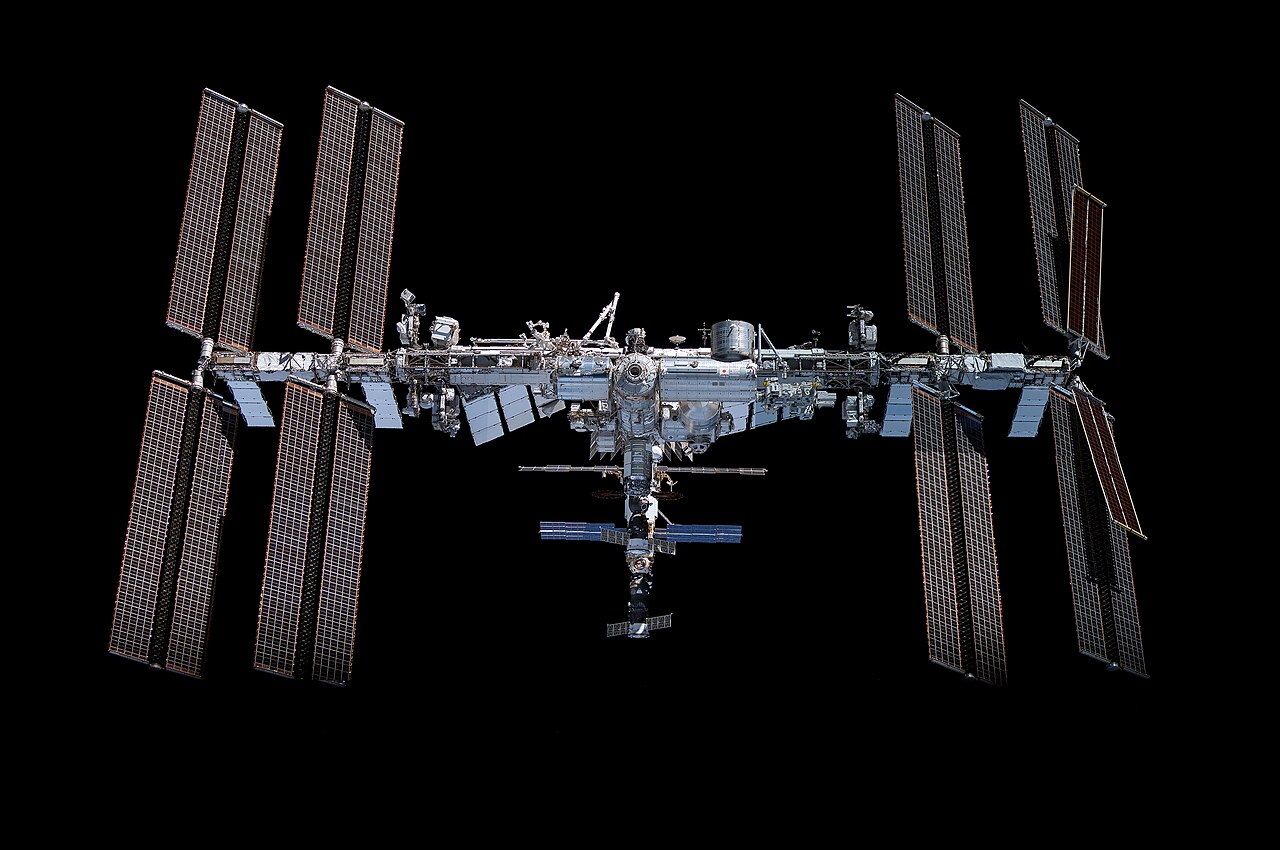
ISS (International Space Station)
USA, Russia, EU, Japan, Canada- Launch: Nov 20, 1998
- Service: 27+ years (Active)
- Microgravity biology, human physiology, physics, Earth observation, tech testing.
Orbital laboratories and robotic probes built by nations around the world: launch dates, operational lifespans, and scientific missions.
| Name | Countries / Agency | Launched | In Service | Primary Mission & Research |
|---|---|---|---|---|
| ISS (International Space Station) | USA, Russia, EU, Japan, Canada | Nov 20, 1998 | 27+ years (Active) | Microgravity biology, human physiology, physics, Earth observation, tech testing. |
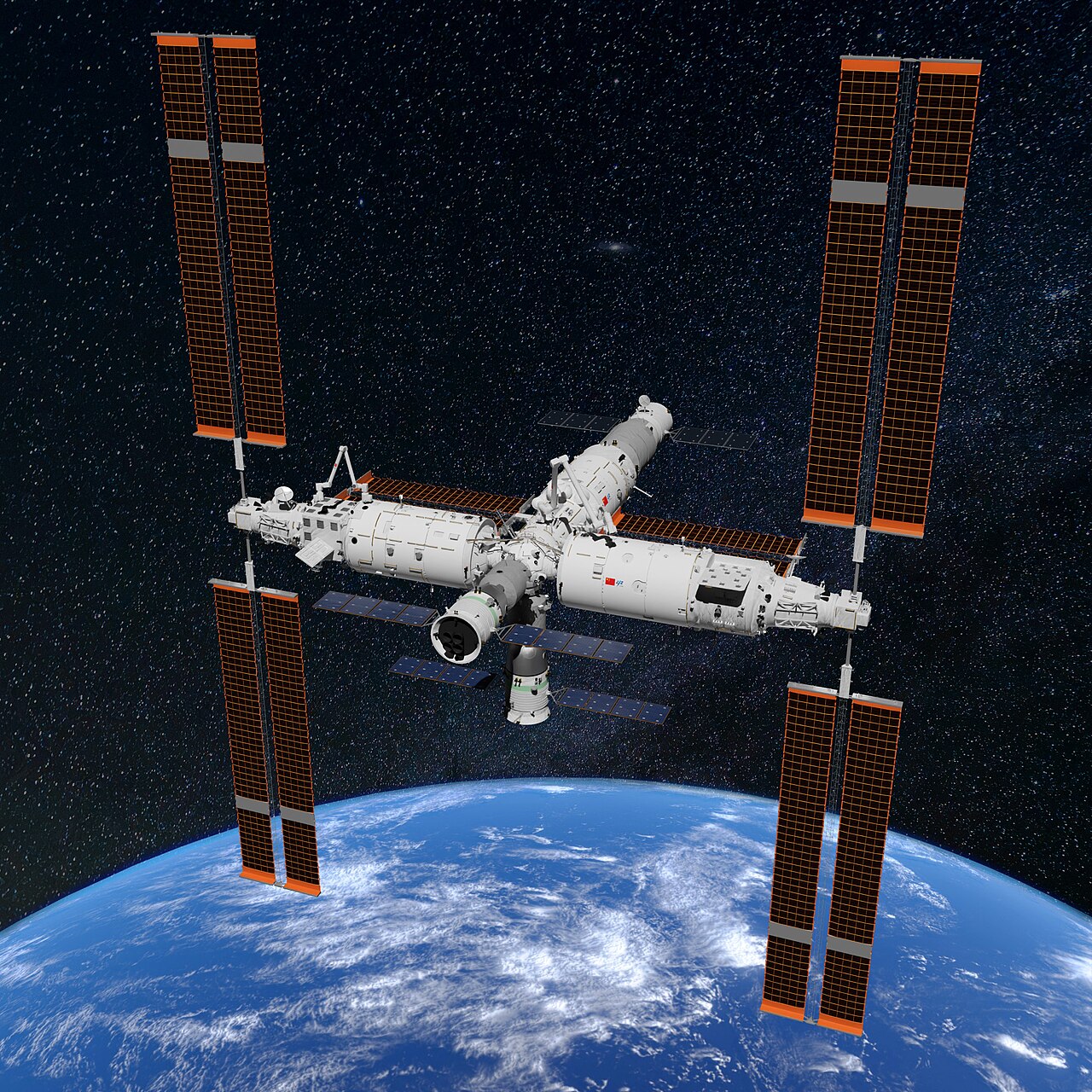
| Tiangong | China (CMSA) | Apr 29, 2021 | 5+ years (Active) | Modular orbital lab for space medicine, materials science, and microgravity experiments. |
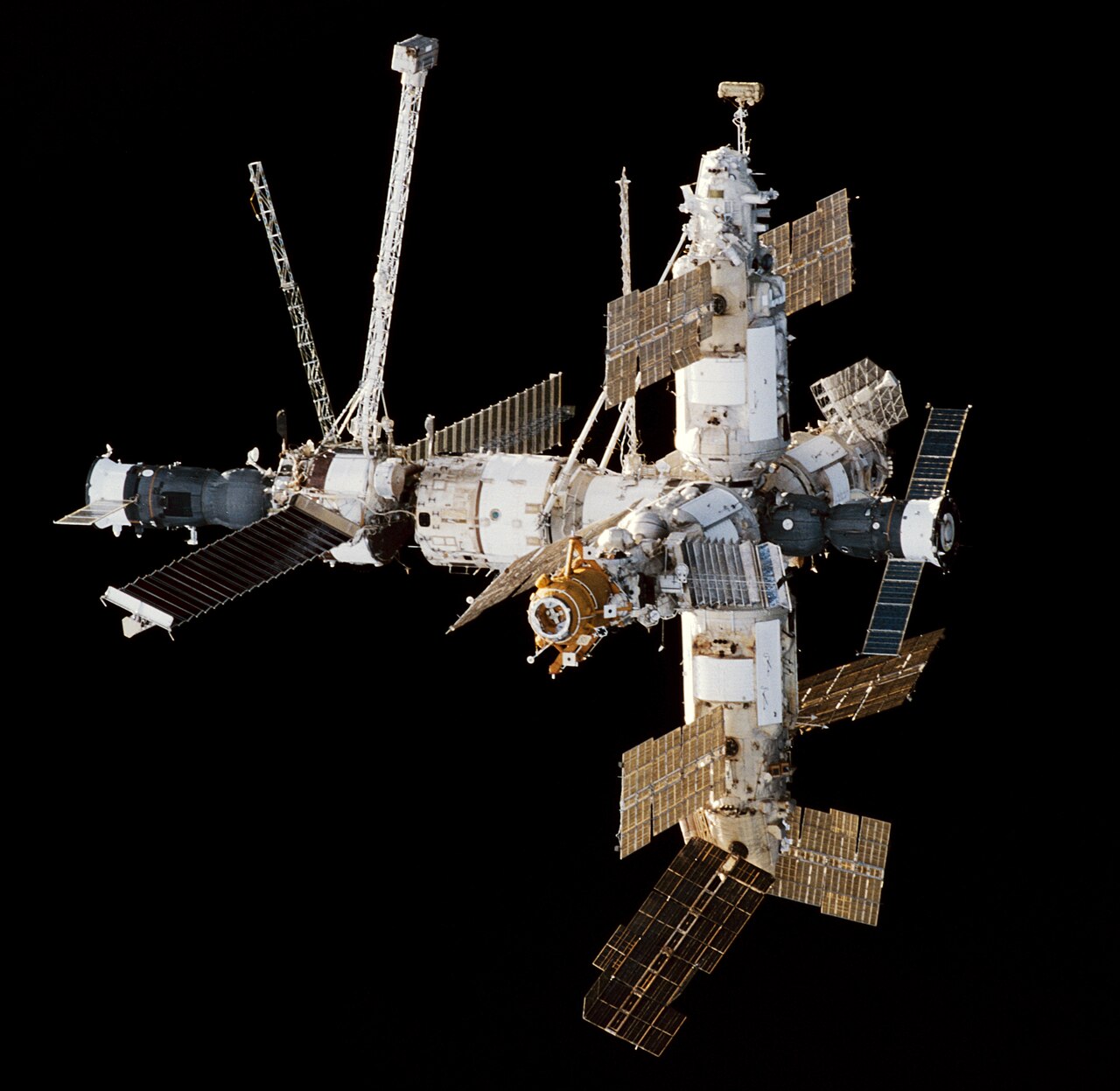
| Mir | USSR / Russia | Feb 19, 1986 | 15 years (1986–2001) | First modular space station; proved humans can live and work in orbit for over a year. |
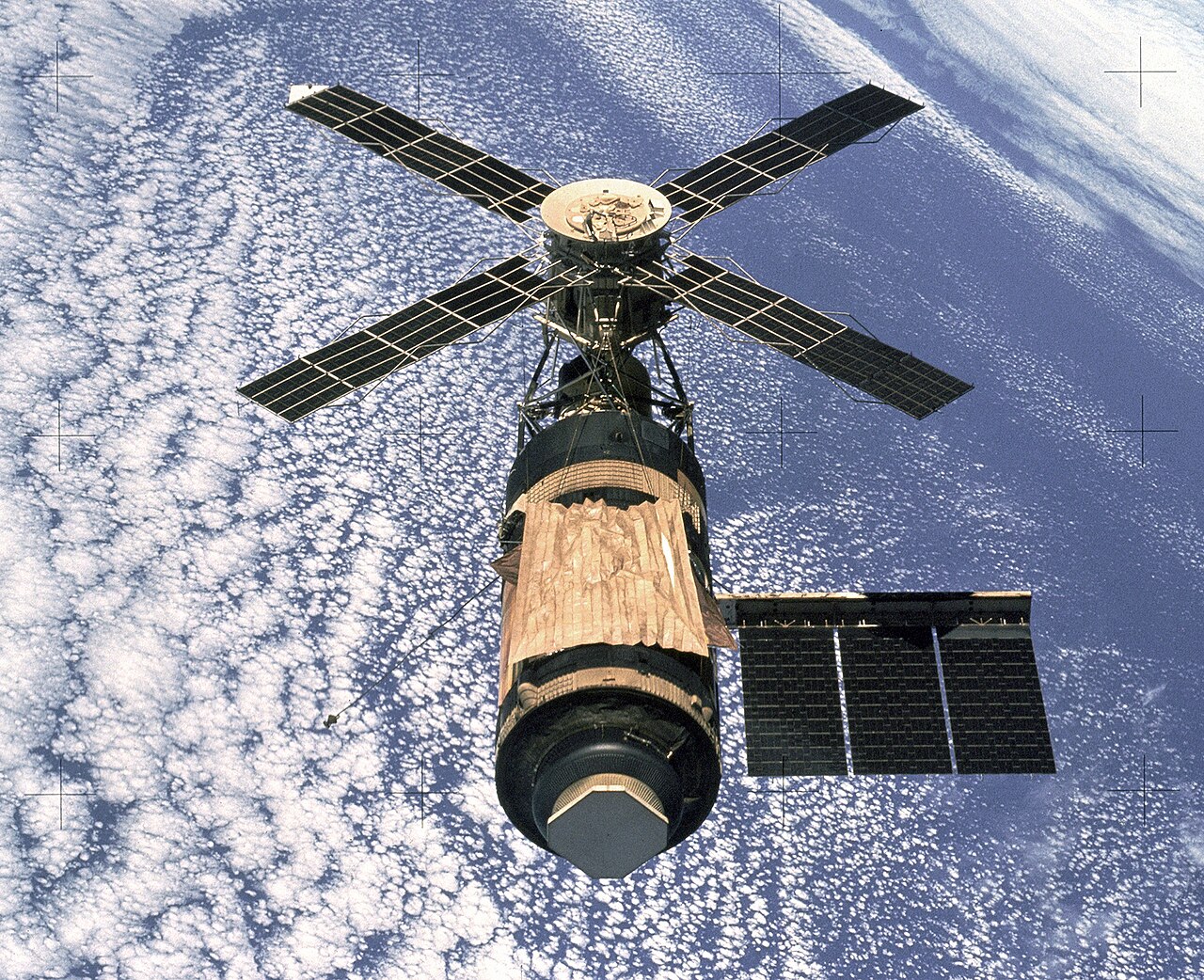
| Skylab | USA (NASA) | May 14, 1973 | 6 years (1973–1979) | First US space station; solar astronomy, Earth resources observation, biomedical studies. |
| Name | Countries / Agency | Launched | In Service | Primary Mission & Research |
|---|---|---|---|---|
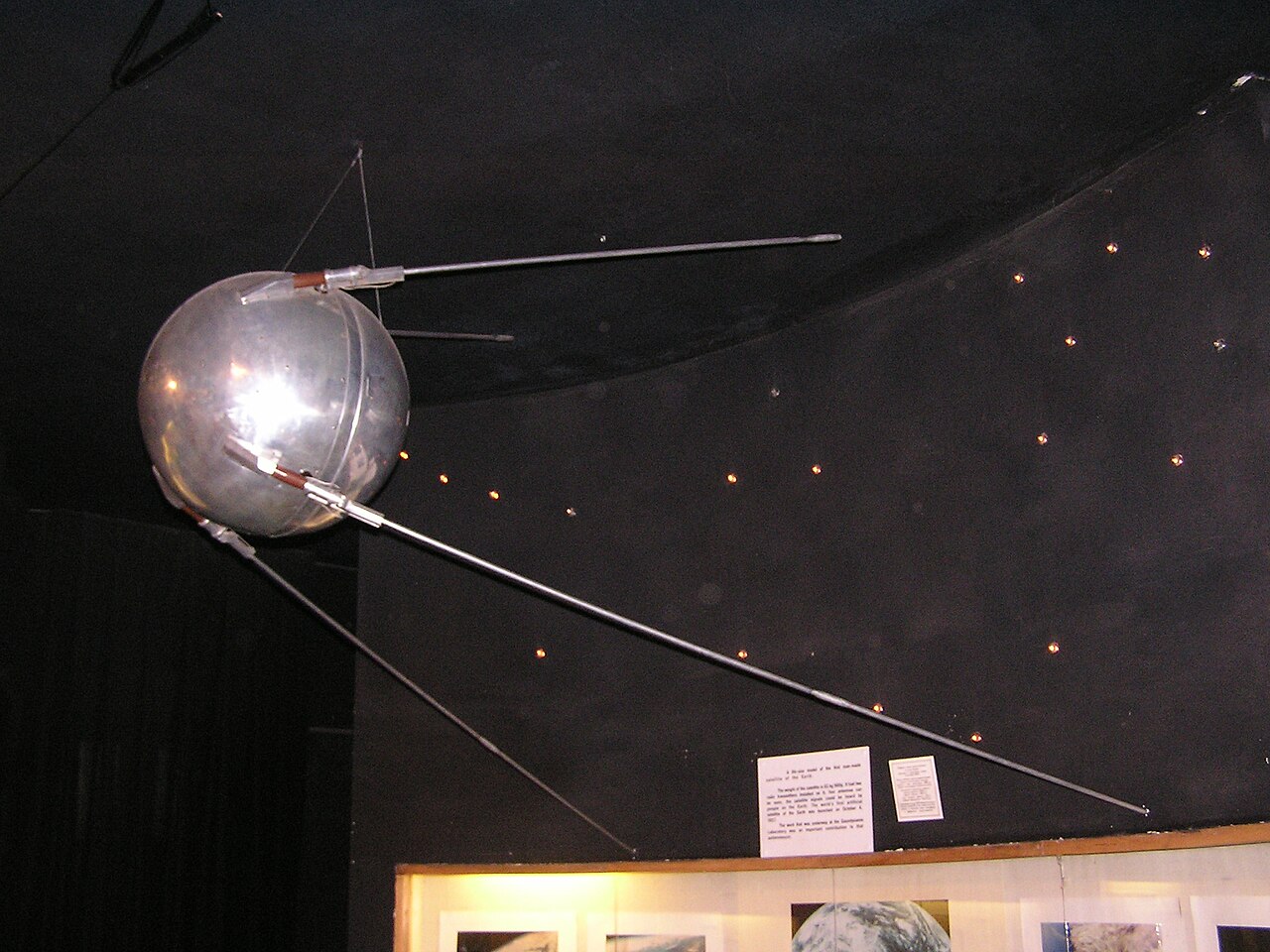
| Sputnik 1 | USSR | Oct 4, 1957 | 21 days (radio) | First artificial Earth satellite; measured upper atmosphere density and radio propagation. |
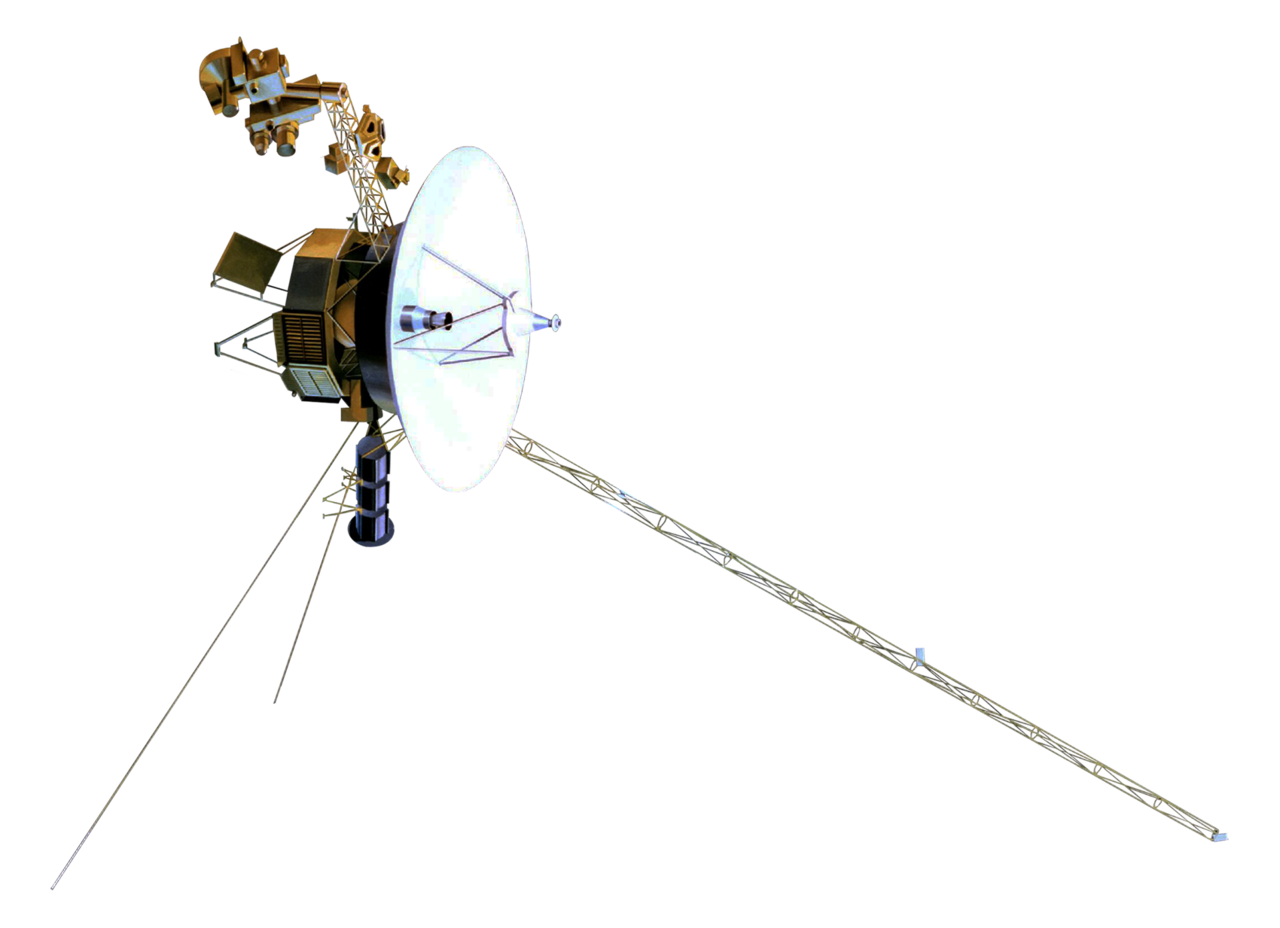
| Voyager 1 | USA (NASA) | Sep 5, 1977 | 49+ years (Active) | Studied Jupiter & Saturn; now the farthest human-made object, exploring interstellar space. |
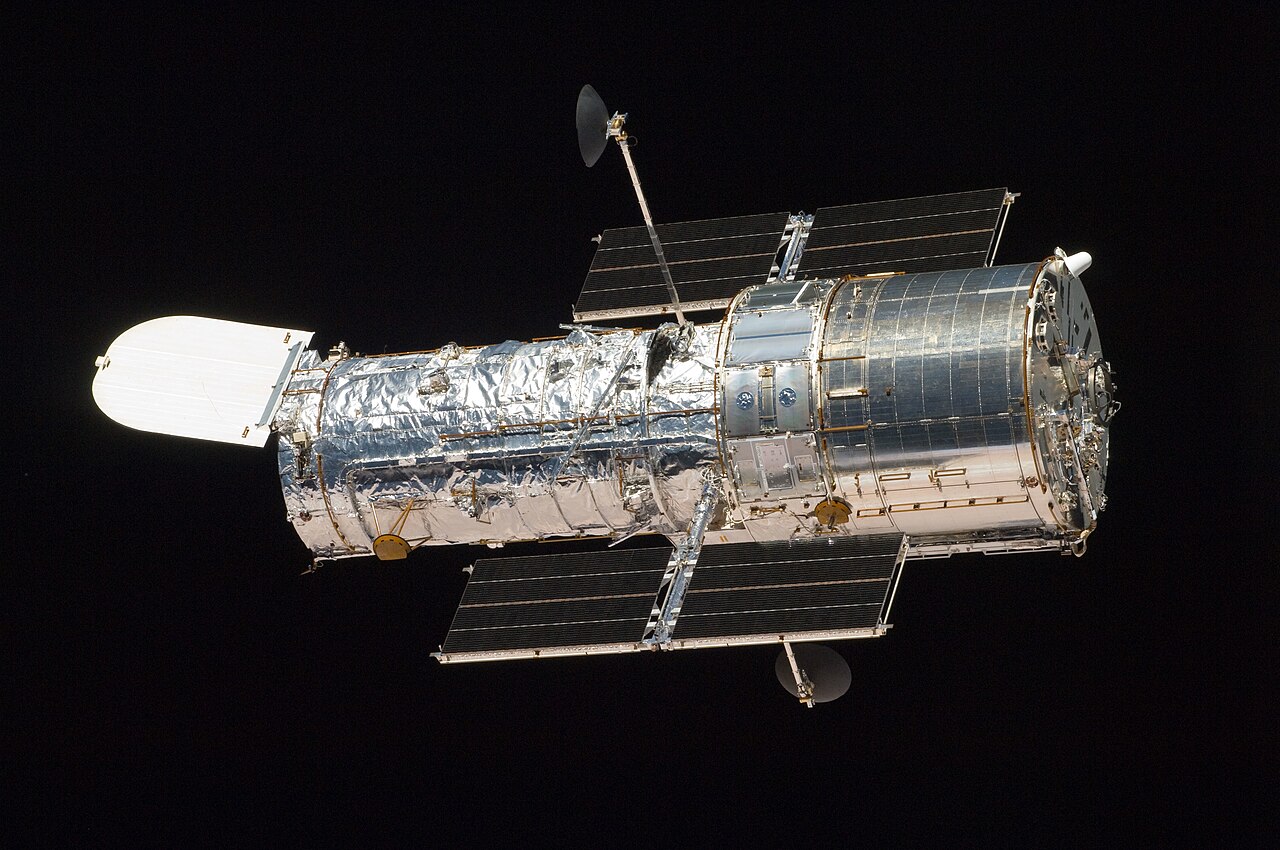
| Hubble Space Telescope | USA / EU (NASA, ESA) | Apr 24, 1990 | 36+ years (Active) | Deep-space optical & UV astronomy; measured the expansion rate of the Universe. |
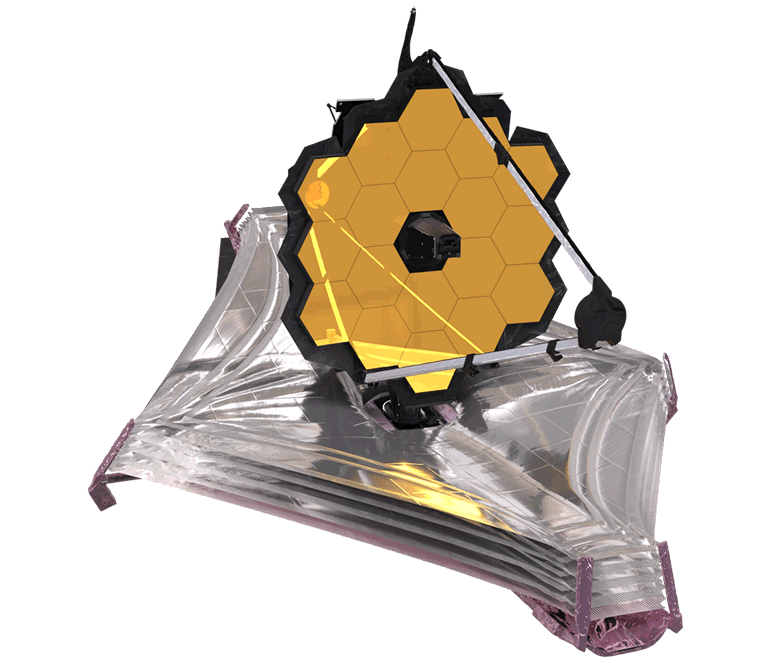
| James Webb (JWST) | USA / EU / Canada | Dec 25, 2021 | 4+ years (Active) | Infrared telescope observing the earliest galaxies, star formation, and exoplanet atmospheres. |